03 Aug 2026
Obesity and Joint Replacement: Weight and BMI Guidelines in Amritsar

Dr. Baljot Singh
30 Oct 2025
Call +91 80788 80788 to request an appointment.
Respiratory emergencies can be frightening for patients and families. This guide explains what a respiratory emergency is, how to recognise signs of respiratory failure or airway obstruction, immediate first-aid steps, and how Livasa Hospitals in Punjab responds — including 24/7 emergency pulmonology, ventilator support and advanced airway procedures. If you are in Punjab and facing a breathing problem emergency, call +91 80788 80788 immediately or book an appointment for follow-up care. Livasa serves patients across Livasa Mohali, Livasa Amritsar, Livasa Hoshiarpur and Livasa Khanna.
A respiratory emergency is any acute medical situation where breathing is dangerously reduced or stopped, oxygenation of the blood is inadequate, or the airway is blocked. These conditions can progress rapidly from mild shortness of breath to respiratory failure within minutes to hours. Common clinical scenarios include severe asthma attacks, acute exacerbations of chronic obstructive pulmonary disease (COPD), airway obstruction (foreign body or swelling), acute pulmonary infections (such as severe pneumonia), acute pulmonary edema (fluid in the lungs), trauma to the chest, pulmonary embolism (blood clot in the lungs), and neuromuscular weakness that impairs breathing.
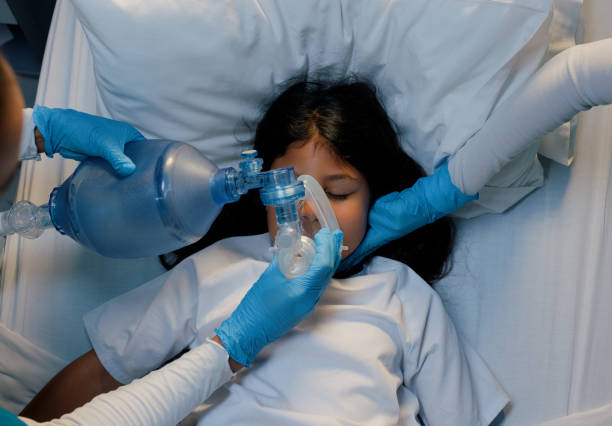
Respiratory emergencies are time-critical because the brain and other vital organs tolerate low oxygen (hypoxia) only for a short time. Early recognition and immediate intervention—oxygen, airway clearance, bronchodilator therapy, or mechanical ventilation—save lives. At Livasa Hospitals in Punjab, emergency response teams are trained to secure the airway, provide oxygenation and ventilation, stabilise cardiovascular function, and rapidly diagnose underlying causes using blood tests, chest imaging and bedside monitoring. Understanding what constitutes a respiratory emergency empowers patients and caregivers to act quickly and seek urgent care in the right facility.
Globally, respiratory diseases are among the leading causes of morbidity and mortality. The World Health Organization (WHO) recognises chronic respiratory disease and acute lower respiratory infections as major contributors to global death and disability; asthma affected an estimated 262 million people in 2019. In Punjab and wider India the burden is magnified by air pollution, seasonal crop residue burning, tobacco use and occupational exposures — leading to seasonal spikes in respiratory emergency visits in regional hospitals, including Livasa Mohali and Livasa Amritsar.
Respiratory emergencies arise from a wide range of causes. Understanding these helps families recognise risk and reduce future episodes. Causes commonly seen in emergency departments include:
Risk factors that increase the likelihood of a respiratory emergency include smoking or tobacco exposure, occupational inhalational exposures, old age, chronic lung disease (asthma, COPD, bronchiectasis), cardiovascular disease, immunosuppression (HIV, cancer, steroids), poor adherence to inhaled medications, obesity, and high ambient air pollution — a particular concern in urban and agricultural areas of Punjab during seasonal burning. Recognising and addressing these risk factors reduces both the frequency and severity of emergencies.
Rapid recognition of a respiratory emergency hinges on identifying red flag symptoms. These indicate immediate need for emergency care or ambulance transfer:
For children, warning signs often include poor feeding, grunting, chest retractions (visible pulling in of chest muscles), flare of the nostrils, and decreased alertness. Elderly patients may present atypically with confusion, fatigue, or falls before clear respiratory cues appear. Patients with chronic lung disease may dismiss symptoms as ‘usual’—but any rapid change in symptoms, increased oxygen requirement, or inability to complete usual activities should be treated as an emergency. If you are in Punjab and see these red flags, seek urgent care—Livasa Hospitals across Mohali, Amritsar, Hoshiarpur and Khanna maintain emergency teams prepared for rapid airway management, oxygen therapy and intensive monitoring.
Immediate actions can stabilise a patient on the way to the hospital and reduce risk of deterioration. Below are practical first-aid steps for common respiratory emergencies, with targeted guidance for asthma attacks, choking, and anaphylaxis:
Below is a concise comparison of immediate first-aid priorities for three common emergencies to help caregivers decide what to do first.
| Emergency | First priority | Immediate action |
|---|---|---|
| Severe asthma attack | Open airways; bronchodilation | Use reliever inhaler with spacer; call emergency services if no quick improvement |
| Choking (airway obstruction) | Clear airway immediately | Encourage cough; back blows/abdominal thrusts if trained; call emergency services |
| Anaphylaxis | Reverse allergic cascade | Administer IM adrenaline; call emergency services; transport to hospital urgently |
Remember: do not delay calling for help. If you are located in Punjab and unsure where to go, Livasa Hospitals has emergency departments open 24/7 at Mohali, Amritsar, Hoshiarpur and Khanna for immediate respiratory care. Ring +91 80788 80788 or use our online booking portal for non-critical follow-up: Book an appointment.
When a respiratory emergency arrives at Livasa Hospitals (Livasa Mohali, Livasa Amritsar, Livasa Hoshiarpur, Livasa Khanna), an organised emergency response protocol is activated to prioritise airway and breathing, followed by rapid diagnosis and targeted therapy. The triage nurse immediately assesses airway patency, breathing rate and oxygen saturation. Patients with life-threatening airway compromise or hypoxia are moved to resuscitation bays and managed by a multidisciplinary team including emergency physicians, pulmonologists, anaesthetists and critical care specialists.
Livasa's emergency pulmonology services in Punjab include:
The focus is on rapid stabilisation, targeted treatment and preventing deterioration. Families in Punjab appreciate Livasa Hospitals for clear communication, rapid transfer to ICU when required, and access to respiratory specialists who coordinate ongoing care. If transfer is necessary from a remote area, the Emergency Department coordinates ambulance services and prehospital notification to ensure continuity of care. For urgent help, call +91 80788 80788.
Once the patient is stabilised, clinicians rapidly investigate the cause of respiratory compromise to guide therapy. Common diagnostic steps include continuous pulse oximetry, arterial blood gas (ABG) analysis to measure oxygenation and ventilation, chest X-ray or CT scan to evaluate pneumonia, edema or embolism, ECG to assess cardiac causes, blood tests to identify infection or metabolic causes, bedside lung ultrasound and sputum or blood cultures when infection is suspected.
Treatment options depend on the diagnosis and severity:
The table below summarises benefits and typical recovery expectations for key respiratory support modalities used in emergency settings.
| Support modality | Benefits | Typical need for ICU/recovery |
|---|---|---|
| Supplemental oxygen (mask/nasal) | Improves SpO2 quickly, non-invasive | Often managed in ED or ward; short recovery if underlying cause treated |
| High-flow nasal cannula (HFNC) | Delivers heated, humidified oxygen at high flows; reduces work of breathing | Requires monitoring in ED/ICU; may avoid intubation in many cases |
| Non-invasive ventilation (CPAP/BiPAP) | Supports ventilation without intubation; effective for COPD and pulmonary edema | ICU-level monitoring commonly required; may avoid invasive ventilation |
| Endotracheal intubation + mechanical ventilation | Secure airway; full ventilatory support | ICU admission required; recovery depends on illness severity and complications |
Livasa Hospitals in Punjab maintains emergency ventilator support, invasive monitoring and multi-disciplinary intensive care to manage complex respiratory failure. For conditions like severe ARDS (acute respiratory distress syndrome) or refractory hypoxemia, advanced therapies such as prone positioning, neuromuscular blockade and extracorporeal membrane oxygenation (ECMO) are coordinated with tertiary referral teams when indicated.
Respiratory emergencies present differently across age groups and chronic disease states. Livasa Hospitals provides tailored emergency and critical care protocols for each group.
Pediatric considerations:
Elderly and chronic lung disease patients:
Pregnant women with respiratory emergencies require coordination between obstetricians, anaesthetists and pulmonologists to balance maternal oxygenation and fetal well-being. Immunocompromised patients may require broader infectious disease evaluation and early empiric antimicrobial therapy.
Livasa Hospitals' multidisciplinary teams are experienced in delivering paediatric critical care, geriatric emergency management and specialised approaches for chronic respiratory patients in Punjab. Early admission to the appropriate monitored setting reduces complications and improves outcomes.
Preventing respiratory emergencies focuses on controlling chronic disease, reducing exposures and early intervention when symptoms worsen. Practical prevention strategies include:
The following checklist can help patients living in Punjab stay prepared:
These measures significantly reduce the frequency and severity of respiratory crises. Livasa Hospitals also runs patient education and pulmonary rehabilitation programs across Livasa Mohali, Livasa Amritsar, Livasa Hoshiarpur and Livasa Khanna to help patients manage chronic respiratory conditions and prevent emergency visits.
If you or a loved one are experiencing a breathing problems emergency in Punjab, seek immediate care. Livasa Hospitals provides emergency respiratory care across multiple centres:
How to access help:
Livasa Hospitals aims to be the trusted destination for lung emergency treatment in Punjab. If you search for "lung emergency near me Punjab" or "where to go for respiratory emergency in Punjab", remember Livasa's emergency respiratory care network and call +91 80788 80788 for support.
Below are common FAQs patients ask in the emergency department and a concise checklist for quick reference.
Q: How fast do I need to act for an asthma attack?
A: If symptoms do not improve within 10–15 minutes of a reliever inhaler, or breathing is severely limited, seek emergency care immediately. Time is critical to prevent respiratory failure.
Q: When is it safe to give oxygen at home?
A: Oxygen should be given per medical advice. In emergencies, if oxygen is available and trained personnel recommend it, use it to maintain oxygen saturation targets. Over-oxygenation can harm some COPD patients, so follow specialist guidance.
Q: Will a nebuliser help in an emergency?
A: Nebulisers are effective for bronchodilator delivery during severe bronchospasm and are commonly used in emergency departments. Use under medical supervision to ensure correct dosing and monitoring.
If you are unsure, err on the side of urgent assessment. Livasa Hospitals' emergency teams in Punjab are ready to give fast, evidence-based care for respiratory crises.
Respiratory emergencies require rapid recognition, prompt first aid and immediate access to specialised hospital care. Whether the emergency is an asthma attack, COPD exacerbation, airway obstruction or acute infection, acting quickly improves outcomes. Livasa Hospitals offers 24/7 emergency respiratory care in Punjab with emergency pulmonology, ventilator support, advanced airway procedures and coordinated intensive care across Livasa Mohali, Livasa Amritsar, Livasa Hoshiarpur and Livasa Khanna.
Keep the emergency number handy: +91 80788 80788, and for non-emergencies use https://www.livasahospitals.com/appointment to schedule consultations with respiratory specialists. Prepare an action plan, ensure medication adherence, and seek early outpatient care for infections or worsening symptoms to reduce the risk of emergency admissions.
For immediate respiratory emergency response in Punjab, contact Livasa Hospitals at +91 80788 80788 or book an appointment for urgent specialist follow-up. Our teams at Livasa Mohali, Livasa Amritsar, Livasa Hoshiarpur and Livasa Khanna are available around the clock to manage breathing problems, asthma attacks, respiratory failure and other pulmonary emergencies.
Disclaimer: This guide provides educational information to support recognition and early action for respiratory emergencies. It is not a substitute for clinical assessment. In life-threatening situations, call emergency services or go to the nearest emergency department immediately.
Obesity and Joint Replacement: Weight and BMI Guidelines in Amritsar
Diabetes, Heart Disease and Joint Replacement: Multispeciality Care in Amritsar
Home Modifications After Joint Replacement: Safety Tips for Amritsar Patients
Livasa Healthcare Group Corporate Office,Phase-8, Industrial Area, Sector 73, Sahibzada Ajit Singh Nagar, Punjab 160071
| Mohali | +91-99888 23456 |
| Amritsar | +91-99887 49494 |
| Hoshiarpur | +91-99883 35353 |
| Nawanshahr | +91-75081 82337 |
| Khanna | +91-98888 05394 |
